October 5, 2026
The Most Effective Season for Home Window Setup and Why It Issues
By @collingoyd184
Homeowners usually focus on design, glass options, and hardware when intending home window substitute. Season rarely makes the leading three. It should. Climate establishes the phase for how smoothly the work goes, how much time the home sits subjected, how well sealants cure, and whether the last fit stays tight through the initial year of development and tightening. Obtaining the timing right conserves cash, decreases headache, and assists your new windows execute the method the pamphlet promises.
I have actually spent plenty of days installing in biting wind, sticky moisture, and those ideal cool early mornings professionals long for more often. The work can be done year-round, but each season plays by different policies. If you understand those guidelines, you can select the home window installation home window that fits your priorities: rate, convenience, pricing, or performance.
What makes a period good or bad for home window work
Weather impacts the process at four points: removal, fit, securing, and cure. Take those in order.
Removal collections the tone. Drawing an old unit leaves an opening in the wall surface up until the new framework is squared up and secured. On a warm day, this is a breeze. In February with a north wind, the area temperature level goes down fast, and any kind of shock rot or concealed shims extend the exposure. Families with children, elderly family members, or pet dogs discover the draft immediately.
Fit relies on material temperature. Plastic and fiberglass move much less than wood, however all materials broaden with heat and shrink with cool. Frames measured in July set up differently in January unless allocations are made. Pros represent this by checking reveal, shimming meticulously, and using maker spacing guidelines for the period. The incorrect assumptions appear later as sticky sashes or gaps at the jambs.
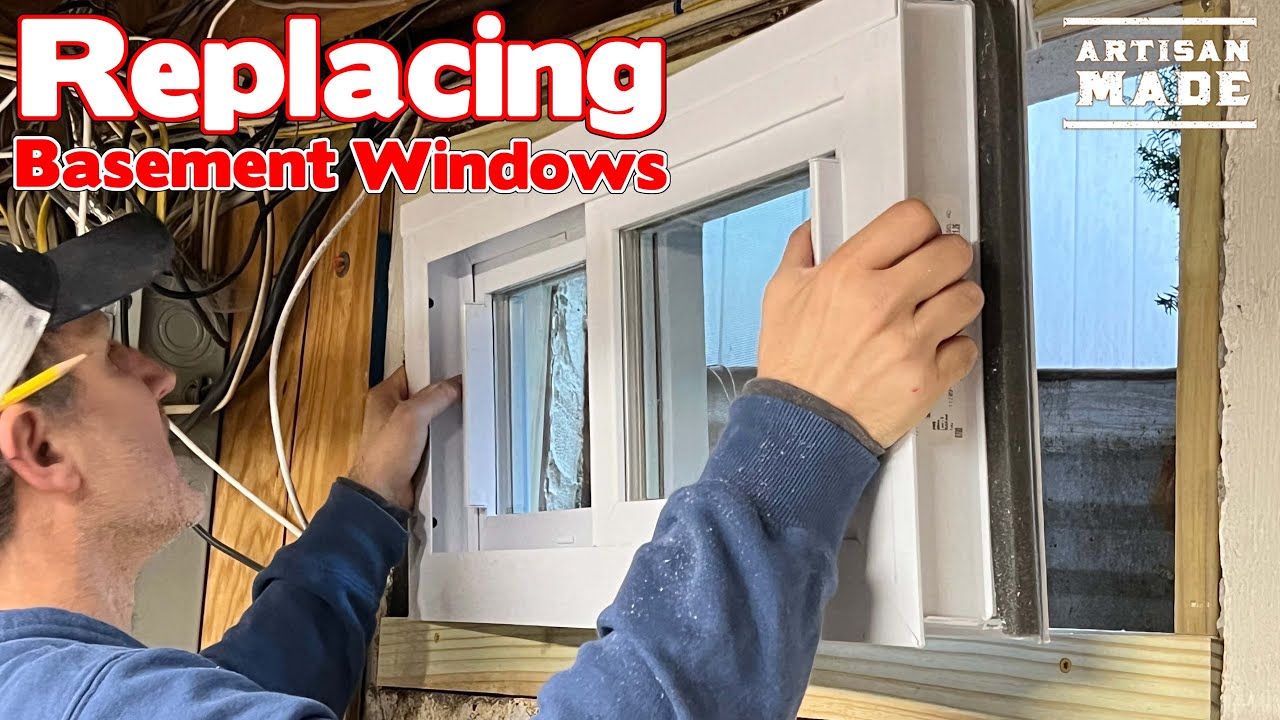
Sealing has its own weather condition requirements. Many installers rely upon a combination of low-expanding foam for insulation, flashing tape to guide water, and exterior sealer to finish the joint. Each of those features a temperature level range on the tag. The tape adhesives like clean, dry surface areas and moderate temperatures. The foam desires the same. Sealer chemistry differs extensively, but most crossbreeds and silicones favor 40 to 90 levels Fahrenheit and dry, dust-free conditions.
Cure is chemistry and time. Even if the grain looks smooth, a bead that skins over in direct sunlight may trap solvents and never bond well. A bead that goes on in cold might treat so gradually that dirt, drizzle, or an impatient painter spoils it. An excellent installer views the projection, not just the clock.
With those principles in mind, below is exactly how each period actually feels on site.
Spring: The well balanced option when you can capture a dry stretch
If you ask contractors for a single best season, the majority of will certainly pick late spring. In numerous areas, April with very early June brings mild temperatures and longer daylight without the penalizing warmth of summer. Materials act naturally. Caulks gun efficiently and cure reliably. You can leave a room open for an hour without turning it into a refrigerator or a sauna.
The catch is rainfall. Springtime showers make complex scheduling. Dampness breaks bond for flashing tapes and sealants, and no installer wishes to seal water right into a wall surface. Teams will certainly work around drizzle by presenting home windows one at a time, utilizing temporary poly barriers within, and keeping the opening covered if a squall hits. Still, an all-day soaker can postpone a multi-window project by a day or two. If your home has actually known water issues, like exhausted sills or doubtful housewrap, spring is still eye-catching due to the fact that you can deal with those information as you do without fighting temperatures. Simply construct in adaptability and interact about climate calls the day before each workday.
Anecdotally, spring sets up tend to pass on fewer post-install solution calls. The mix of modest products growth and a tidy cure provides you smooth procedure out of eviction. If a sash drags in August after a spring work, it is generally a minor adjustment, not a re-set.
Summer: Rapid scheduling and lengthy days, with heat to manage
Summer is peak season for window replacement for a reason. House owners are about, kids run out institution, and house siding and outside paint projects line up neatly with new home windows. The lengthy daylight offers installers area to finish a floor or altitude without rushing. If you need a full-house substitute, summertime makes logistics easier.
Heat changes the calculus. Plastic frames can really feel slightly looser in high warm. Installers make up by inspecting angled measurements repeatedly and preventing over-shimming. Caulks and foams skin quickly when the sunlight strikes the wall, particularly on darker claddings. A bead that would be perfect in 65-degree shade can become stringy at 95 in direct sunlight. The technique is staging. Good staffs function the shaded sides in the mid-day, keep sealants and tapes in trendy boxes, and mount early at east-facing openings prior to the wall bakes.
Humidity matters as long as temperature. Lots of hybrid sealants tolerate moisture well, and foam actually likes a little moisture to treat. Yet glue blinking tapes come to be fussy if the substrate is hot and dusty. A quick clean with isopropyl alcohol and a roller pass makes a distinction you can see later when water tries to track right into the harsh opening. On older homes with unvented attics, summer installs also expose hidden heat-baked trim that may collapse during removal. Expect a sincere discussion regarding replacing rotten sills or including a sill frying pan. Capturing it currently is far better than repainting a bubbled interior stool each year.
One Accolade Windows & Doors area summertime radiates is setting up rate. If you live in a region with severe winters, professionals pile their books from May through September. You are more likely to lock a company date rapidly, and providers run full tilt, so special-order dimensions and coatings get here faster than in late fall.
Fall: A sweet spot for performance-minded homeowners
If I might pick one period for energy performance and long-lasting stability, it would be fall. Late September via early November delivers dry air, foreseeable temperatures, and fewer electrical storms. The house is cooling down from its summer season growth cycle and is not yet at winter season's minimum. Establish the structure properly currently, and you reduce the danger of a sash that binds in January or a latch that really feels careless in July.
Sealants like fall. Air is completely dry, substrates are not sweating, and straight sun angles are lower. You can device a bead that stays put. Flashing tape grasps tidy OSB without battling condensation. Foam cures at a stable pace. Exterior paint or tarnishing around new trim can proceed with less blisters or dirt imperfections.
Another advantage is interest. With the summertime thrill behind them, staffs invest more time on information that make the difference: backer rod sizing, made even stools, and weep path clearance. If you plan to incorporate brand-new windows with an exterior siding replacement, loss uses the best chance to finish both before winter season. That gives you a tight envelope going into home heating period, and the first energy bill after the upgrade supplies a real-world action of your gain. In numerous homes, a complete collection of energy-efficient devices reduces wintertime gas or electric heating spend by 10 to 20 percent, depending on the beginning factor and environment zone.
If you appreciate sound reduction, fall installs likewise often tend to show a clearer before-and-after. With windows shut more frequently and mechanical systems running much less, the distinction in outdoors sound is easier to judge, and any type of whistling at weatherstripping gets captured throughout the strike list.
Winter: Possible with planning, yet not optimal for comfort
Winter does not stop home window setup, but it transforms the playbook. In cool regions, credible installers maintain working to around 20 degrees Fahrenheit ambient, sometimes reduced if wind is light and the wall surface gets sunlight. The crucial changes are to protect the interior, deal with products delicately, and use the best chemistry.
Cold makes PVC brittle. Fiberglass and wood fare much better, yet all materials are much less flexible when cooled. Crews bring frames inside to heat up before setting them. They eliminate only one home window each time. Poly barriers and zipper doors restrict the chilly air plume, and registers get temporarily covered to maintain heated air off cold glass throughout the initial hour. If you have glowing floors, that sluggish, stable warm aids keep the room usable during the workday.
Sealant choice comes to be crucial. Numerous common latex or painter's caulks need to be put away until spring. Installers change to cold-weather silicones or silyl-modified polymer hybrids rated for reduced temperatures. Even then, weapons and tubes remain inside a heated box, and the substrate obtains cleaned dry. Foam treatments slowly in chilly, so the staff applies lighter lifts and provides it time, or they use winter-grade formulas. The assessor in me checks bead adhesion after the very first warm day, not at installation time.
The biggest downside of winter is lifestyle. That ten-minute gap feels much longer when the wind is cutting. If you have young children or somebody sensitive to chilly, routine the work in workable chunks and ask the team to start on rooms with alternating heat or doors you can close. Prices can be eye-catching, though. In many markets, winter months means off-peak price cuts and even more flexible days. If you can approve a little short-term discomfort, you can obtain top staffs who are not juggling three tasks at once.
Regional differences that overturn basic rules
Climate overtakes schedule. A completely dry, amazing winter months in the Southwest can be much better than a sticky May in the Gulf Shore. In the Pacific Northwest, late summertime and early autumn typically offer the driest, most foreseeable windows-of-opportunity. Coastal New England sees trustworthy loss weather, while mid-Atlantic springtimes turn from beautiful to soaked by the week.
Altitude matters. High-mountain communities with strong UV and large day-night swings see sealants skin quicker in sun and frames relocate much more each 24-hour. Installers there prepare around solar exposure rather than the season alone, maintaining sealant in the color and monitoring disclose again after sunset. In desert environments, dirt control raises the concern checklist. An excellent glue bond begins with a clean substrate, which suggests wiping and rolling tapes religiously.
If you live in cyclone or monsoon belts, stay clear of mounting during the storm period unless you are changing failed devices as component of repair services. The threat of opening a wall into inbound rain is ineffective. Await the dry shoulder season, and make use of the time to verify influence rankings, anchoring patterns, and regional code details like sill pan design and water head stress testing.
How season affects product selections and techniques
Window installation is a dancing in between the item and the wall. Material selection establishes the pace. Below's just how period communicates with usual framework materials.
Vinyl takes care of moisture well, insulates halfway decent, and can be an economical upgrade. It additionally moves one of the most with temperature level. In warm summertime installs, installers prevent cranking screws tight at the ends of lengthy frameworks and follow slotting assistance so the frame can float. In winter months, they maintain the device warm before establishing it to lower brittleness and inspect that weatherstripping presses equally when the space warms up back up.
Fiberglass is dimensionally steady. It broadens at a rate closer to glass, which is why several high-performance devices use it. Season affects fiberglass much less, however sealer option still matters. Hybrids bond well to fiberglass in cool weather, while some silicones need a primer. A loss install can be nearly fail-safe for this material.
Wood is attractive and flexible to work with, but seasonal moisture is its Achilles' heel. Spring installs must include mindful priming and back-priming of any type of field-cut wood parts, and drop installs should stay clear of leaving raw wood revealed overnight. If you expect heavy summertime rain, think about an aluminum-clad outside to protect the wood from cyclic wetting.
Aluminum is uncommon in household substitute beyond certain building styles or cozy environments, but it shows up in commercial settings and modern homes. In winter season, light weight aluminum structures obtain cool and show condensation quicker. If the strategy is for light weight aluminum, schedule when indoor moisture is lower or plan for durable thermal breaks and correct flashing to avoid surprises.
Regardless of framework material, blinking is not optional. An excellent sill pan, self-adhered blinking that connections right into housewrap or liquid-applied membrane, and a clear weep course issue more than the brand name badge on the glass. Season adjustments how sticky those elements are, not whether you require them.
Energy and comfort: when timing pays you back quickest
People generally see the convenience obtain the first night after a winter months mount. The cool draft near the old home windows disappears, and the thermostat cycles less often. Energy cost savings show up on the next bill. If you are trying to time a project to lower cash money discharge, installing right before optimal home heating or cooling down period delivers the fastest repayment. Late loss and late springtime being in that wonderful spot. Your a/c system runs much less hard the complying with month, and your family gets instant comfort.
If you are pairing home window substitute with various other envelope upgrades, such as attic room air securing, brand-new siding, or exterior insulation, the best period is the one that maintains the whole series dry and constant. Fall commonly wins there. Set up the home windows, set the flashings, splash the housewrap properly, after that hang new siding before the first freeze. In cozy climates, a springtime timetable sets you up to take pleasure in lower summer season air conditioning loads.
Practical scheduling and professional option by season
Demand adjustments with temperature. You will see it in preparations and rates. The installers you want are active when weather is ideal. If you can plan ahead, call in winter to line up a spring or fall slot. You obtain your choice of dates, time to resolve style choices, and much better rates on special-order shades or polishing packages.
Summer slots fill rapidly. If you need a thrill, be ready to authorize submittals fast and approve weekday-only gain access to. In winter months, check that the specialist makes use of cold-weather-rated items and has a strategy to protect interiors, consisting of flooring security, dirt control, and temporary heat management.
When you speak with a service provider, ask season-specific inquiries. Just how do you deal with a rainfall day mid-project? What sealants do you use listed below 40 levels? Do you stage the work to restrict direct exposure on extreme days? The most effective answers are useful, not academic. Seek crews that bring a roller for blinking tapes, stock backer pole in several sizes, and have a tidy prepare for disposal of old devices without tracking particles with the home.
What to do prior to the team arrives, season by season
You can make the day go smoother with a couple of targeted steps tailored to your period. Maintain it brief and focused.
- Spring or fall: Clear outside bushes far from lower windows, and inspect that sprinklers will not haze the workspace. Transform them off the night before.
- Summer: Establish the thermostat a couple of levels cooler than normal in the morning so your house remains comfy while openings are active. Close drapes on sun-exposed rooms to decrease warmth load.
- Winter: Create a cozy hosting area for brand-new devices near the job zone. Move furniture 4 to six feet from openings. If you have area heaters, have one ready for the area being worked on.
- Any season: Remove blinds and drapes, disable alarm system sensing units on windows, and clear paths to every opening. Pets ought to have a secure, closed area for the day.
That short list puts the team ahead before they unfold a decrease cloth.
Cost, refunds, and just how timing converges with incentives
Pricing swings with supply and need. Winter sometimes brings price incentives from both contractors and manufacturers. If you are comfortable with the cooler working problems and you trust the team's cold-weather process, you can record cost savings without compromising high quality. On the other hand, if your project requires custom-made rounded devices or specialized glass that takes weeks, fall ordering for a late-fall install decreases the opportunity of climate pressing you into holiday weeks.
Many utilities and state programs use rebates for high-efficiency home windows. These often reset at the fiscal year. If a refund cycle is closing on December 31, a loss install locks your documentation prior to the program adjustments. Energy Celebrity standards and government tax credit scores can likewise transform with regulations. If a brand-new credit report is more generous following year, waiting until very early spring might pay back much more also if you miss a winter discount. Ask your home window distributor to supply the precise NFRC ratings and paperwork you will require, and intend the routine with the incentive cutoff dates in mind.
Special instances: historic homes, large openings, and occupied renovations
Historic homes and style evaluation boards can extend timelines. If your substitute should match divided light patterns, muntin accounts, or exterior trims, construct in extra lead time and go for climate that gives the crew breathing room. Spring and fall once again increase to the leading because you can take the added hour to personalized scribe trim without freezing a space or hurrying before a thunderstorm.
Large openings and multi-panel sliders behave like their own job. The opening duration is longer, relocating glass is riskier in wind, and shimming and progressing take time. Arrange these on calm days despite season. In winter season, strategy added indoor security. In summer season, plan for early morning work prior to sunlight warms the track and thresholds.
If you are residing in the home during a full-house substitute, chunk the task by areas. Hall bedrooms someday, great room another, kitchen area last. The best staffs intend in this way by default, yet it never injures to ask. In wintertime, demand that they start on areas with alternative warmth resources. In summertime, inquire to function shaded sides after lunch.
The installer's checklist by season
Contractors carry mental lists that alter with the calendar. A quick look behind the curtain helps you evaluate the group you hire.
- Spring: Watch the radar, supply fast-grab flashing tapes, and pre-cut backer pole dimensions. Maintain a dehumidifier running in damp basements to aid adhesives.
- Summer: Phase colders for sealers and foams, function the shaded sides, and roll tapes with strong stress to conquer warm substrates. Maintain structures square as they warm.
- Fall: Decrease to excellent the information. This is the period to confirm head blinking laps and established discloses for smooth winter season operation. Record post-install pictures while light is good.
- Winter: Warm materials prior to setting, utilize cold-rated sealers, reduce open time for each and every opening, and protect insides from dust and drafts with zipper walls. Arrange examinations on warmer afternoons.
When a contractor can talk with those points smoothly and specifically, you remain in good hands.
Tying season to efficiency expectations
Season forms results in ways that show up months later. A summer season grain laid in direct sun might look fine up until the very first freeze, when a micro-gap telegrams as a whistle. A winter season mount finished with the incorrect foam may reduce and leave a cool red stripe along the jamb. A spring mount rushed in between showers may trap wetness behind a tape and invite rot. Each of those mistakes has a straightforward choose the day, but they are hard to fix after trim gets on and paint is dry.
The ideal tasks appreciate the season and readjust. That is why there is no single right response for everybody. If comfort during the work is your priority, choice late springtime or early loss. If rate and organizing control issues, go summer. If budget determines and you rely on the team's winter season method, capitalize on off-peak pricing and plan for a tranquil rate. In every instance, insist on appropriate flashing, suitable sealants, and enough time in the day to do tidy, square work.
Final thought: pick the period that fits your home's story
Every residence has a tale. A block colonial with drafty original sashes and peeling off sills desires completely dry weather condition to fix water courses and technique mindful woodworking. A modern home with large south-facing glass wants a great day so structures do not move as you set them. A family with a brand-new child wants each space open for minutes, not hours, regardless of month.
Window installation is not just exchanging glass. It is developing a little but essential part of your home's envelope. Period is the background that either helps the work shine or makes it harder than it requires to be. Choose what you value most, suit that to the seasonal toughness, and employ a team that knows exactly how to work with the weather, not versus it. When succeeded, you will fail to remember which month it was by the time the next season rolls in, since the windows will feel ideal in all of them.
❧